‘The Messenger Within’: How mRNA Became a Pandemic Game-Changer
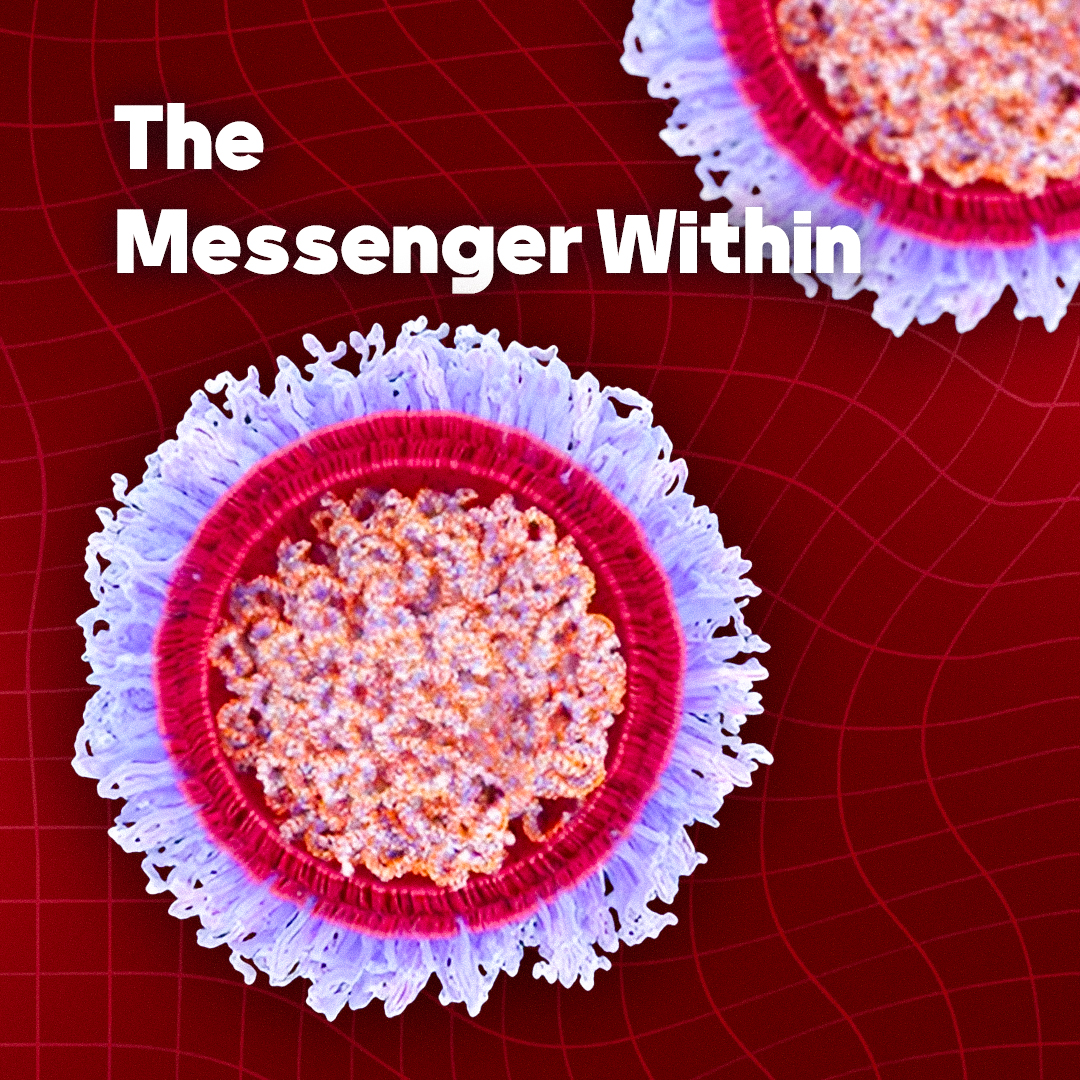
The ninth episode of the Observatory podcast, exploring mRNA vaccines and the work of 2019 Mustafa(pbuh) Prize laureate Uğur Şahin, has been released.
MSTF Media reports:
The latest episode of the Observatory podcast, titled The Messenger Within, takes listeners on a remarkable journey through molecular biology and medical engineering. It traces the story of messenger RNA or mRNA from its discovery in the early 1960s to its emergence as a powerful tool in the fight against one of the most severe global pandemics in recent history.
The episode begins by introducing the immune system and explaining how vaccines work. It discusses pathogens, antigens, and the process through which the immune system recognizes threats and produces antibodies. Using a simple analogy, the podcast explains that vaccines prepare the immune system much as training prepares an athlete for a competition.
It then examines why vaccination is essential, how vaccines are developed, and the major types of vaccine technology. Particular attention is given to mRNA vaccines, which work differently from many conventional vaccines. Rather than introducing a weakened or inactivated pathogen, they provide cells with temporary genetic instructions for producing a harmless antigen. This enables the immune system to recognize the antigen and prepare a protective response.
The development of mRNA technology took several decades. Before the COVID-19 pandemic, researchers had explored its potential in vaccines against diseases such as rabies, influenza, Zika, and Ebola, as well as in cancer immunotherapy. The global health emergency created by COVID-19, however, accelerated its development and brought the technology into widespread public use.
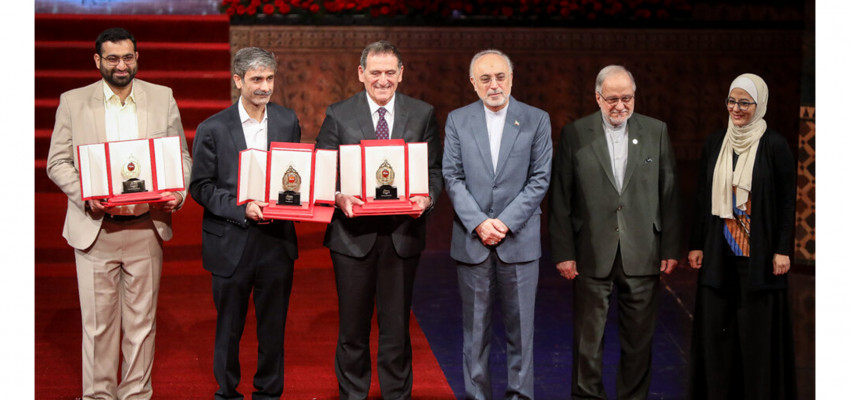
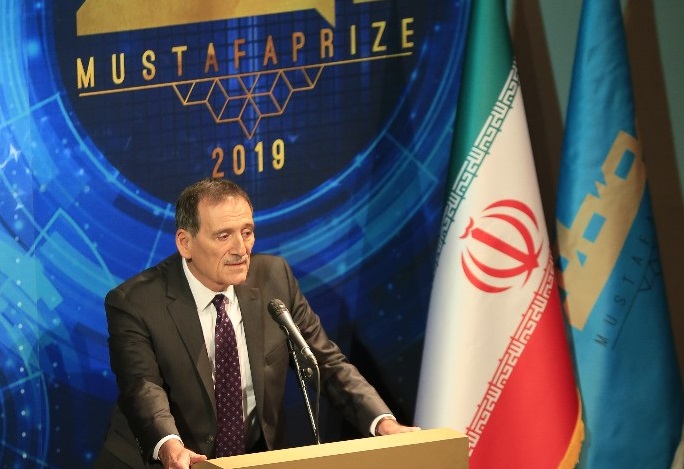
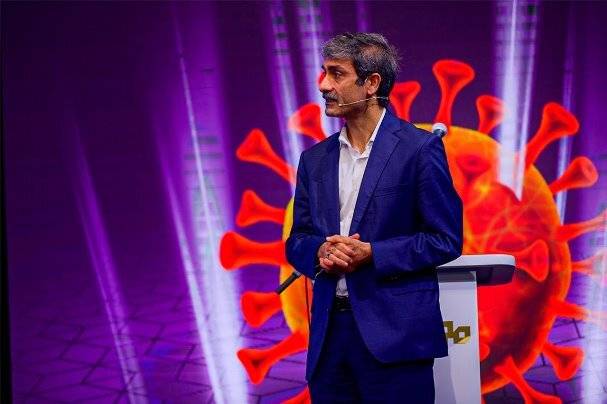
The final part of the episode focuses on Uğur Şahin, the Turkish-born German physician-scientist, co-founder of BioNTech, and a laureate of the 2019 Mustafa(pbuh) Prize. Şahin and his colleagues had worked on mRNA-based therapies and vaccines for many years before redirecting their expertise towards COVID-19 shortly after the genetic sequence of the virus became available.
Working in partnership with Pfizer, BioNTech developed an mRNA-based COVID-19 vaccine at unprecedented speed. The companies announced positive interim results from their Phase III clinical trial in November 2020. The following month, authorities in the United Kingdom, the United States, and the European Union granted the vaccine emergency or conditional authorization, marking a turning point in the global response to the pandemic.
Produced by the Observatory of the Mustafa(pbuh) Science and Technology Foundation, the podcast presents scientific concepts, discoveries, and achievements to wider audiences in clear and accessible language.
Listeners can follow the podcast on Castbox and Shenoto or access it through the Mustafa(pbuh) Prize website.