Deploying AI in Healthcare: The Possibilities Are Endless
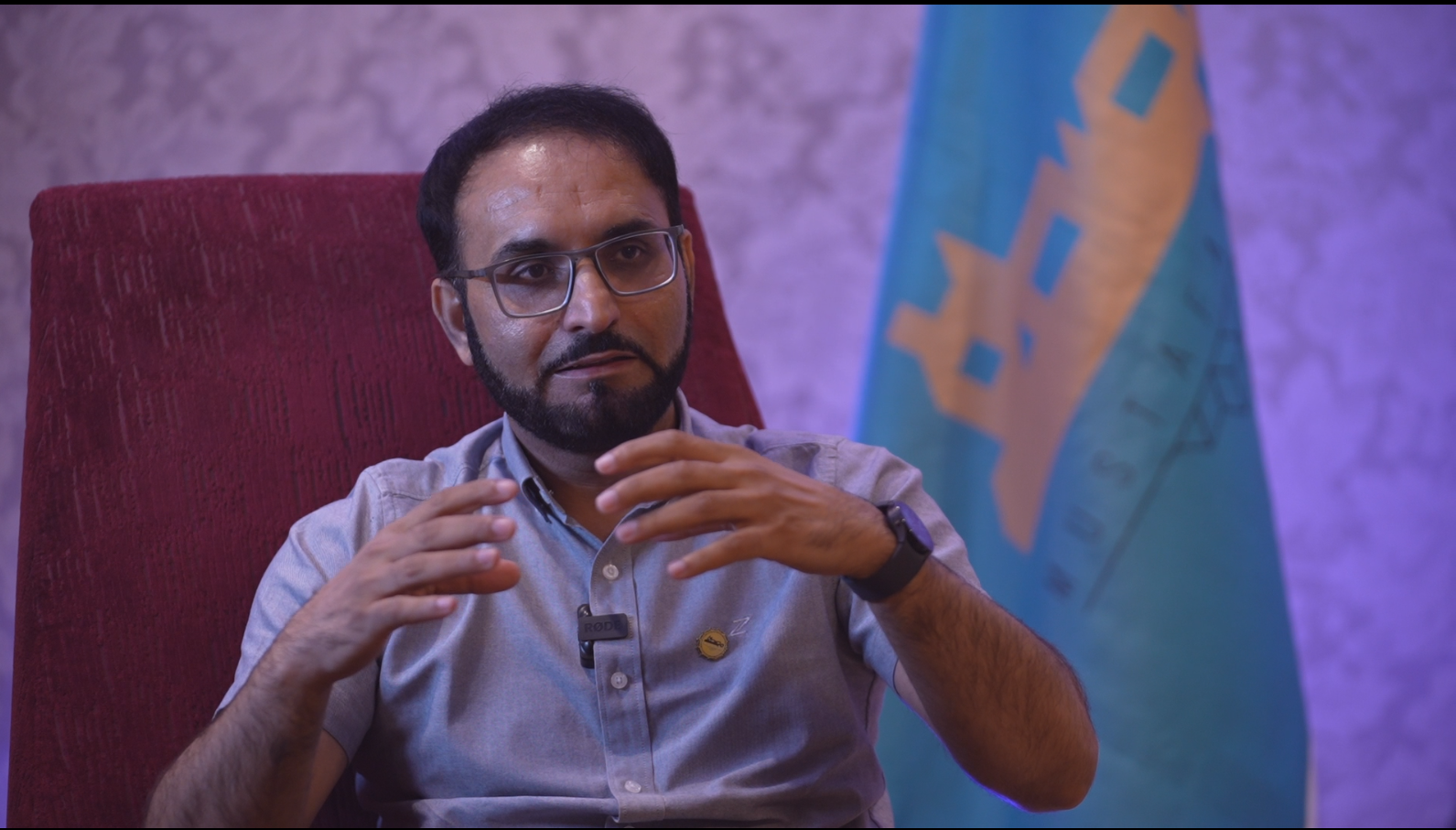
Muhammad Hanif, a computer science engineer from Pakistan and guest at the 10th STEP, whohas carried out over a decade of research on AI, image processing, and deep learning, delineated his recent work onintegrating AI-driven solutions within healthcare systems.
MSTF Media reports:
The 10thScience and Technology Exchange Program (STEP),held during the 2025 Mustafa(pbuh) Prize Week,hosted prominent international figures whose achievements push the boundaries of knowledge, includingProfessor Muhammad Hanif, a scientist who has led research projects such as processing ancient images and analyzing medical images with artificial intelligence.
He completed his bachelor's degree in computer engineering in 2006 at COMSATS University Islamabad, and his master's degree in signal processing at Tampere University of Technology on a scholarshipfunded by the Finnish government, and then received a PhD in computer visionfrom the Australian National University During his six-year residence in Australia, he worked as a research associate at the University of Melbourne. He then received the European Research Consortium for Informatics and Mathematics (ERCIM) fellowship for his postdoc at the Italian National Research Council in Italy.
In an interview with Hanif, we discussed his research in the field of artificial intelligence, especially in the areas of health and agriculture. Hanif elaborated on his scientific experiences, the extensive applications of artificial intelligence in medicine, and the ethical challenges of this technology. He further pointed out his ongoing projects with high potential in improving healthcare services and faster diagnosis of diseases.
From Image Restoration to Deep Learning
At the time of receiving the ERCIM fellowship, Hanif was working on the correction and restoration of ancient documents using sparse image processing. After completing his postdoctoral studies, he began working as an associate professor at the Ghulam Ishaq Khan Institute of Engineering Sciences and Technology, continuinghis research on image processing and machine learning.
“A significant part of my research is dedicated to developing methods that can transform complex image data in a way that they can be analyzed by deep learning algorithms,” the computer science engineer observed.
The main focus of Hanif’s PhD thesis was deconvolution and sparse image processing, the two key areas in modern image and signal processing. He tried to develop techniques that are stable, practical and require a minimum amount of prior knowledge to address the ill-posed image restoration problem.
“In this field, efforts are made to organize data in a way that can be easily analyzed using image processing methods and deep learning models,” he explained.“To achieve this goal, the data structure must be designed in a way that preserves important information and allows algorithms to extract the desired patterns more accurately.”
In split representation, researchers try to help deep learning models learn well even from smaller data sets. In this method, data is represented in a way that preserves the original elements of the information or converts large data sets into smaller pieces. In such circumstances, a pattern derived from a smaller set of data can provide approximately the same amount of information as patterns extracted from much larger sets.
Hanif also pointed out one of the major challenges in the widespread use of deep learning algorithms, i.e., the requirement of powerful computing infrastructure and high costs. “Deep learning methods usually require a very large amount of data,” he maintained,“and when we deal with very large data, computational costs increase significantly.”
Expanding AI Applications in Healthcare
Lately, Hanif’s research has been leaning toward the use of artificial intelligence in healthcare and precision agriculture. “We have several projects underway that address health issues with greater accuracy and speed,” he stated. “In addition to these projects, we are also trying to develop deep learning-based tools to solve various problems in the agricultural sector to increase productivity in this field.”
Hanif opined that healthcare and agriculture are among the most important fields that use artificial intelligence the most. One reason for this, according to him, is that healthcare provides researchers with a wealth of diverse data that is invaluable for training deep learning models.
“The health sector used to operate without the use of artificial intelligence in the past, but now we have reached a stage where it has become difficult to advance many of its sectors without the help of this technology,” he observed.“Artificial intelligence can speed up data analysis, helping doctors make more accurate decisions in the process of diagnosing and treating diseases.”
Asked about one of his recent studies in medical image analysis, Hanif explained that “today, a variety of images of patients are produced in formats such as X-ray, MRI, fMRI, and CT scan, each of which provides valuable information about the condition of the human body. As the population increases and diseases spread, the use ofthese images has increased.
It is very difficult for humans to analyze such a large volume of images in a limited time and with high accuracy. For this reason, artificial intelligence is used to process and analyze medical images to extract important information faster and more accurately.
AI Enables Urine Analysis in Just 32 Milliseconds
Urine testing is one of the most common medical tests in hospitals, with its results being used to examine the condition of various organs in the body. One of Hanif’s ongoing projects isdesigning an AI-based urine analysis device.
“Performing a urine analysis test manually in the laboratory usually takes a lot of time,” Hanif noted,“and in some cases may be accompanied by human errors. The goal of this project is to develop a device that can analyze urine samples automatically, without human intervention, and provide the results to the doctor very quickly.”
This device will be able to analyze a urine sample in 32 milliseconds and extract all the information the doctor needs. The designed model can automatically identify particles and cells in urine and provide an accurate report of the sample's status.
The use of such systems can not only increase the speed of experiments, but also improve the accuracy of the results. This technology ultimately helps doctors make treatment decisions based on more accurate information and in a shorter time.
Real-Time ECG Analysis with Artificial Intelligence
An electrocardiogram is one of the important indicators for examining heart function. Doctors use it to diagnose many heart disorders and, in many cases, especially in emergency rooms, nurses take an ECG from patients,which is then sent to a cardiologist for review.
On occasionswhen a cardiologist is not available at the hospital or the tape review takes too long, the patient may face serious risk in a critical situation.That's why Hanif and his team have developed an AI-based tool that can receive andanalyze the ECG in real time.
“This system is able to identify possible signs of a heart attack and other heart issues and provide analysis results in a short time,” Hanif explained.“This tool can even be used by nurses and help diagnose the disease more quickly in emergencies. The use of such tools can play an important role in reducing diagnosis time and increasing the chances of saving patients.”
An AI Chatbot for Breast Cancer Awareness and Guidance
Hanif further observed that breast canceris highly prevalent in many Asian countries, including Pakistan, where this issue has become a major health concern, with many young women between the ages of 30 and 40 being affected by this disease. Studies have identified two important factors in the spread of this disease: first, lack of public awareness, and second, social and cultural factors. Many women cannot easily discuss this condition with their family or doctor due to cultural limitations or feelings of embarrassment.
To help solve this problem, Hanif, along with his team,is developing an AI-based tool in the form of a Chabot that can provide educational information about the disease and help increase public awareness about symptoms, diagnostic methods, and treatment options. This Chabot can also serve as a primary medical advisor. “Patients can upload their medical images and documents, such as mammograms, and ask their questions to receive guidance on the next steps in treatment and seeing a doctor,” Hanif stated.
The Ethical Boundaries of Using AI in Medicine
Having observed the multiple opportunities to use AI in medicine to the benefit of human beings, Hanif stressed the fact that,despite its advances,technology should not violate human ethics. He likened artificial intelligence to “a new source of energy that can give new power to many fields, including finance, the automotive industry, engineering, and healthcare, to name only a few.” However, he emphasized thatpeople must learn how to use artificial intelligence tools in their field of expertise.
One of the most important challenges is the ethical and legal issues related to the use of smart technologies. Hanif believes that human beings and their values must be prioritized, and technology must remain at the service of humans. In the medical domain, Hanif emphasized that “the final decision on the treatment ofpatients should rest with the physician.”
He believes that AI should only play the role of a physician's assistant, not replacing him or her or making the final decision for humans. Doctors can use artificial intelligence as a tool to increase the accuracy of diagnosis and decision-making, but the role of humans in the healthcare system cannot be replaced and must remain central.
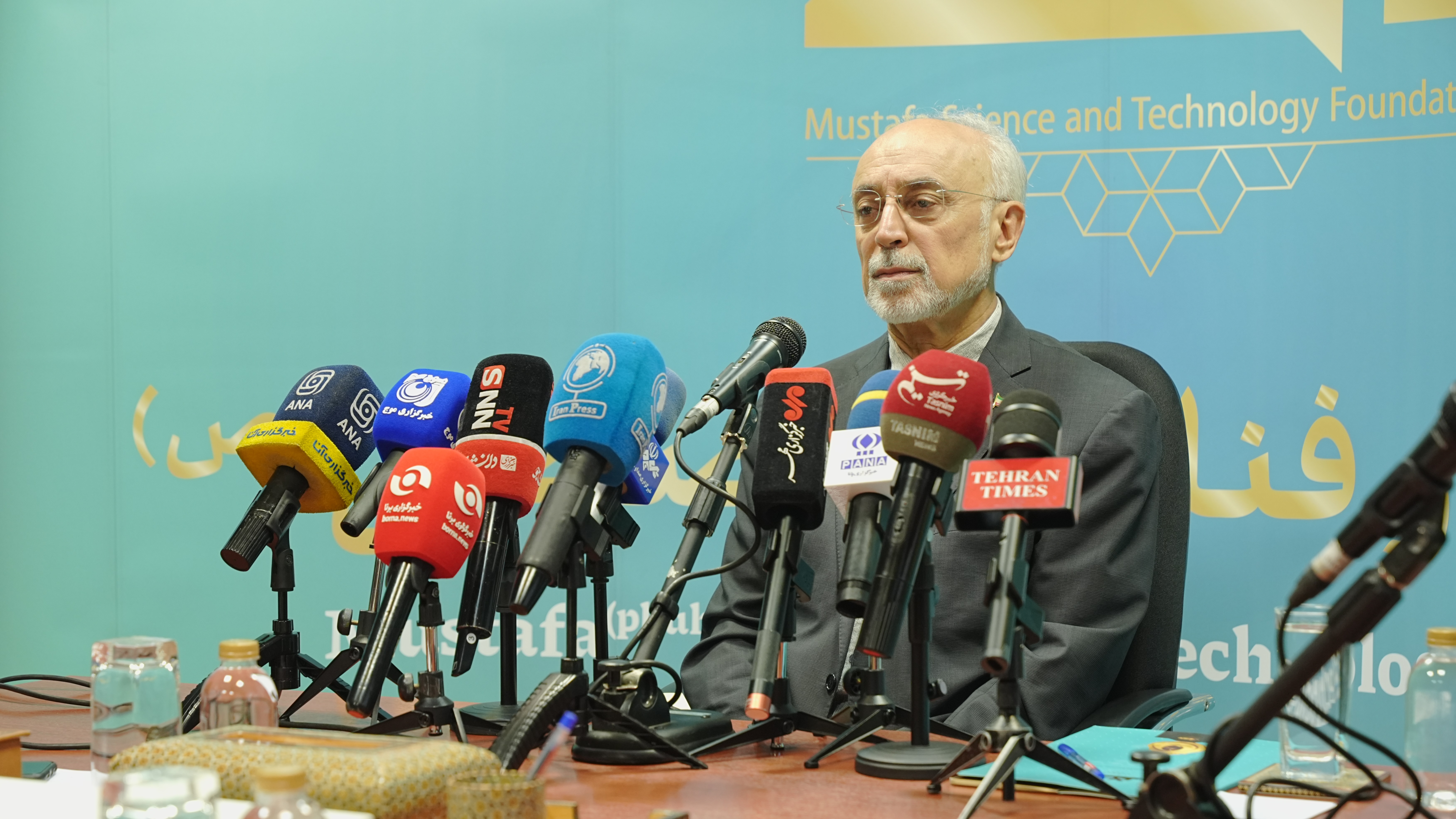
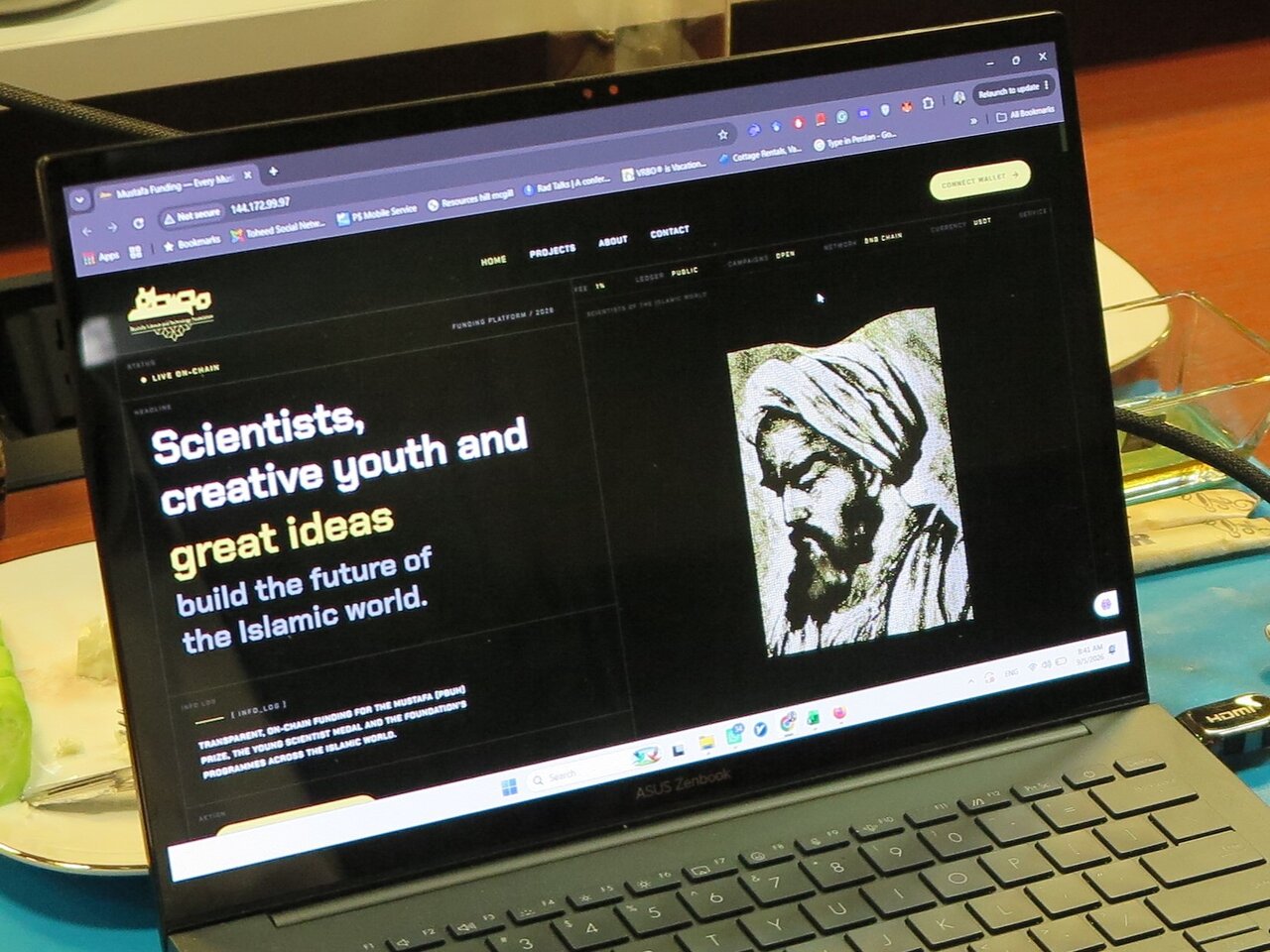
Mustafa Foundation launches blockchain platform for global scientific support
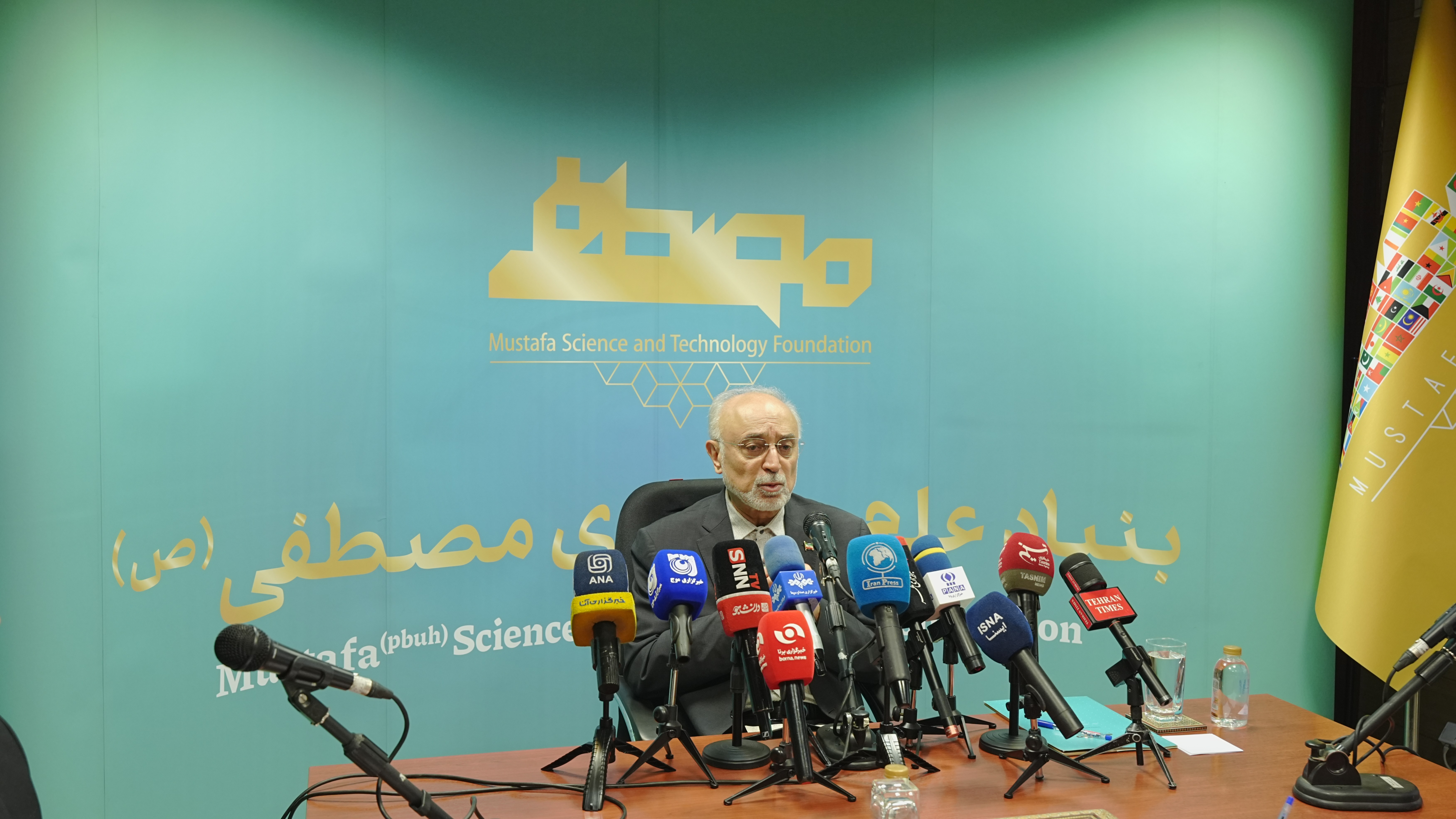
Iran Calls for Global Network of Science Patrons Alongside Scientists’ Network
STEP-AUT Office to Connect Scientists and Universities Across the Islamic World
‘The Messenger Within’: How mRNA Became a Pandemic Game-Changer