Eradication of Hepatitis by 2030 on the Horizon
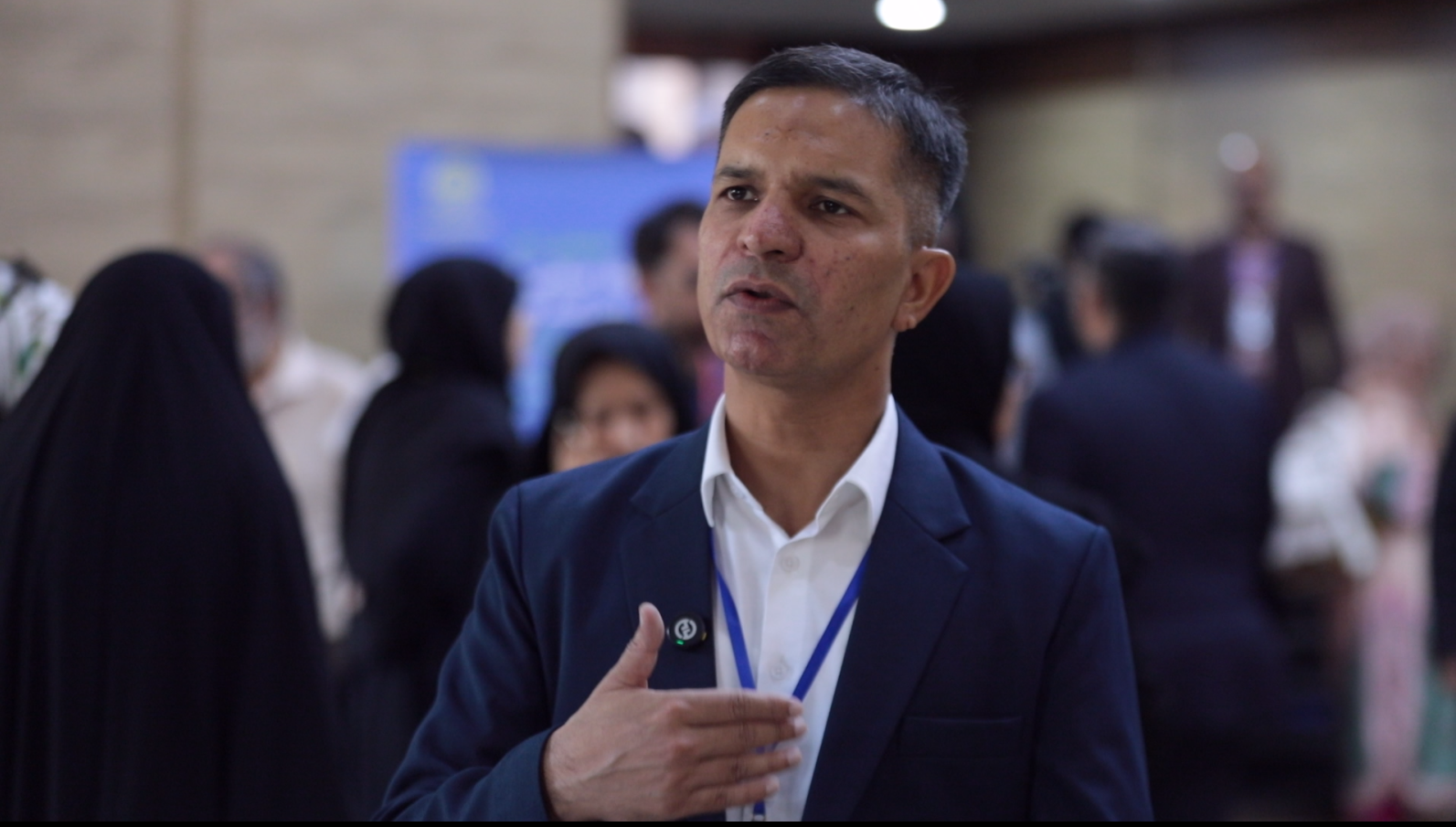
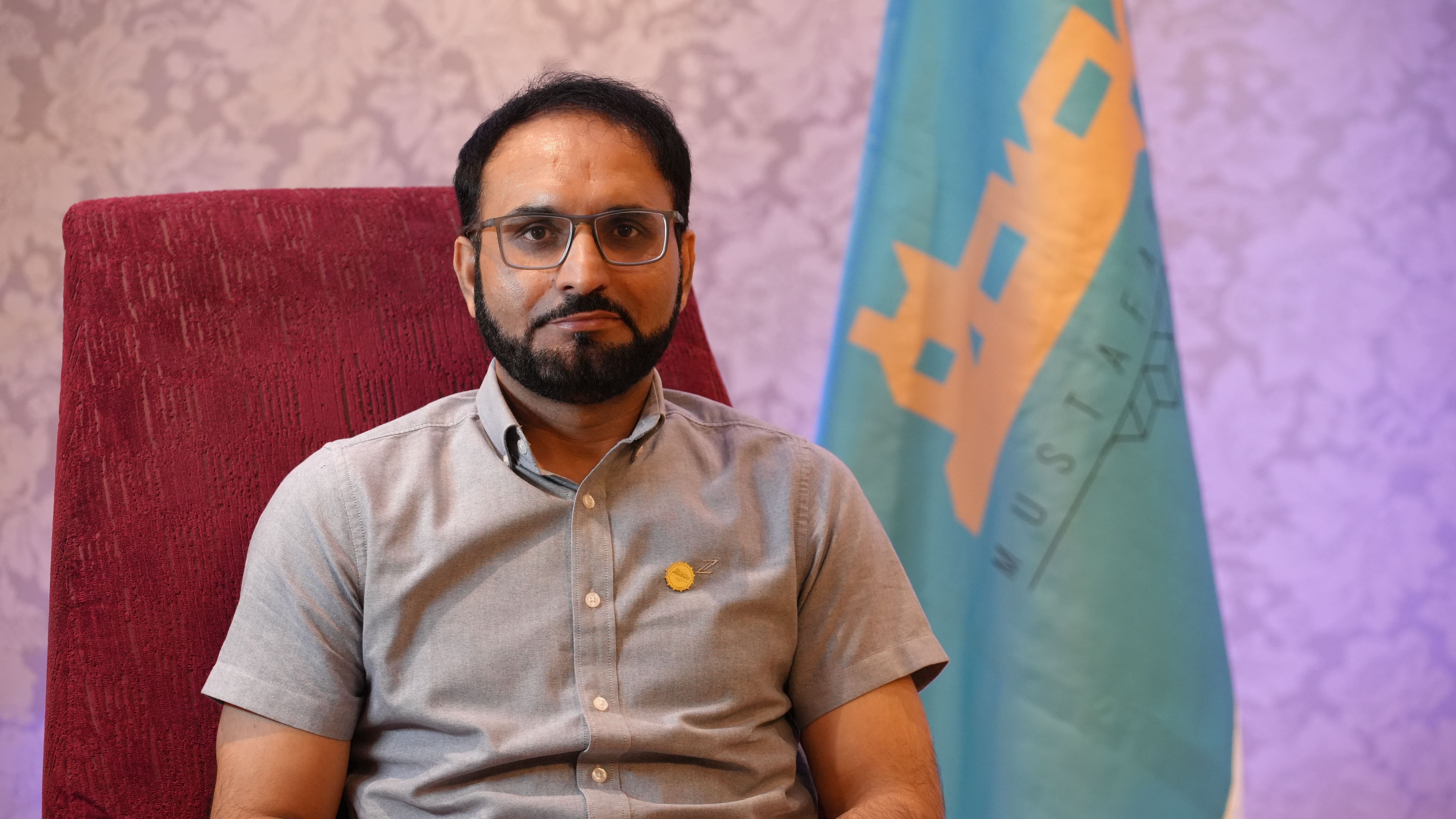
Dr. Yasir Waheed, prominent Pakistani professor and member of the advisory board of the Mustafa(pbuh) Science and Technology Foundation, discussed the most urgent issues in the developing countries and his research on health problems.
MSTF Media reports:
Professor Yasir Waheed, head of Research at the School of Health Sciences, National University of Sciences and Technology, Islamabad, Pakistan, in an interview with the MSTF touched on the progress of science and scientific agendas in the Islamic World and the underlying issues regarding the matter.
“It is very important to see how much the Islamic world is paying attention to research, development and innovation. If you look at the figures, the whole Islamic world is spending less than 0.8% of their GDP on research and development,” Waheed noted. “The average for other countries in the world, however, is 2.2%.”
According to the professor, who was recently selected as an advisory board member of the Mustafa(pbuh) Science and Technology Foundation, there are countries like South Korea and the US that spend a big chunk of their GDP on research and development.
Addressing the state of Muslim countries in this regard, Waheed maintained, “A couple of Islamic countries are spending more than 1% of their GDP on research and development; a few countries are spending 0.5 to 0.9 % of their GDP on this sector, and the rest of the Islamic countries are spending less than 0.5 %.”
Stressing the direct relationship between a country’s growth with investment on research and development, Waheed pointed out that investment in these sectors will amount to the production of high technology products such as electronics, automobiles, and AI, and their export.
“If countries develop these kinds of products, they will earn revenue in big amounts of money,” Waheed said.
“Looking at it from a global perspective, only 4% of the high technology export is from the 57 Muslim countries. This shows that the Islamic world is not paying attention to research and development,” He emphasized.
Waheed, who has been conducting research in multidisciplinary Health Sciences, especially in the area of virology, clinical medicine, disease burden, estimation, and bioinformatics, commented on the state of education, pointing out that in the Islamic world only 3.3% of GDP is spent on education, whereas globally, these figures are very high.
“There are even some Muslim countries that spend 1% on this sector,” he maintained. “Therefore, the enrollment in universities is only 30% while it is more than 45% in the rest of the world.”
The third area of neglect in the Islamic world, according to him, is health. Waheed, who is currently working on multidisciplinary health issues, especially those concerning the developing countries and Pakistan stated that “Not spending enough on health sector will take a huge toll on the healthcare system of a country.”
“Providing good healthcare services translates into an overall good health and prosperity in the country. Not spending on the health sector, on the other hand, leads to higher rates of sickness among a population, an issue which ultimately requires more money to solve,” the scholar explained.
Comparing the OIC member countries with the rest of the world, Waheed stated that “the number of women who are in the workforce in the Islamic countries are low. This will in turn lead to problems such as low access to water and sanitation.”
The member of Pakistan Academy of Sciences concluded that overall a bigger part of GDP needs to be spent on the sectors of health, education, and research and development.
Asked about Pakistan’s success in managing COVID-19, Waheed stated, “In our university hospital, we conducted studies on different drugs that were recommended for the disease. Our results showed that Plasmapheresis did not have a considerable effect on the patients.”
“Our studies on Anticoagulants demonstrated patients’ survival rate was higher when drugs consisting anticoagulants were used,” he announced.
Waheed also pointed out that their research on the use of different kinds and doses of steroids in the Pakistani patients’ population showed the use of a particular type and a particular dose of steroid is effective.
“There are also other drugs, like remdesivir,” he continued, “which in our population played a substantial role in shortening the hospital stay for COVID-19 patients.”
Waheed lastly talked about Hepatitis, a major global health problem which is the seventh leading cause of death worldwide. He maintained that hepatitis especially Hepatitis B and C claims the life of approximately 1.1 million people each year.
“The main reason is that above 60% of the people who are living with hepatitis B and C do not have symptoms and are undiagnosed,” he stated.
Waheed believes that what really needs to be done in this regard is to raise awareness about Hepatitis B and C. He mentioned the strategy developed by the World Health Organization in 2015 which was based on eight pillars including reducing hepatitis incidence and mortality, increasing hepatitis vaccination, practicing safe blood injection, improving hepatitis diagnosis and hepatitis treatment.
“Thanks to this initiative taken by the World Health Organization to eliminate hepatitis by 2030,” Waheed says, “the incidence and mortality from hepatitis B and C has decreased in last eight years and more than 120 countries have ever since developed their hepatitis control program.”