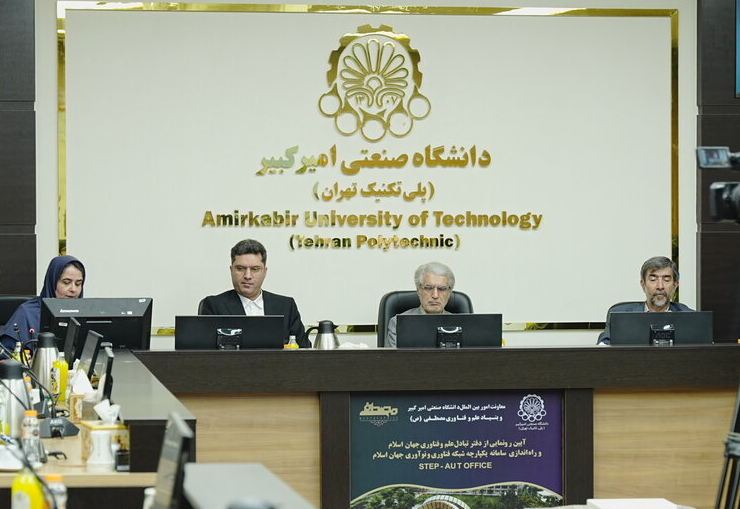
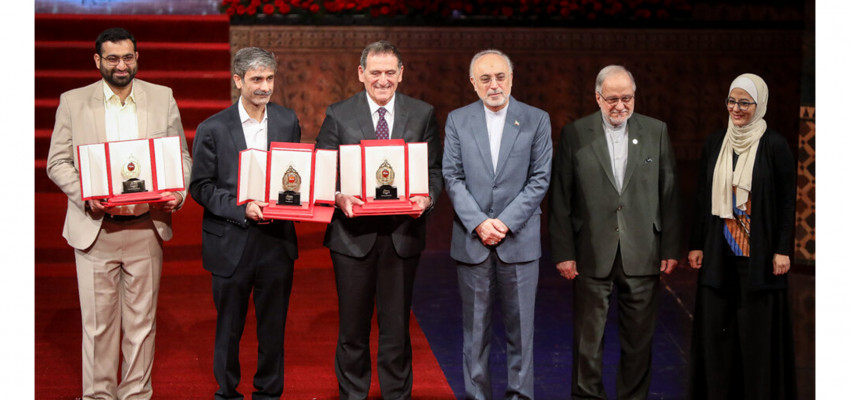
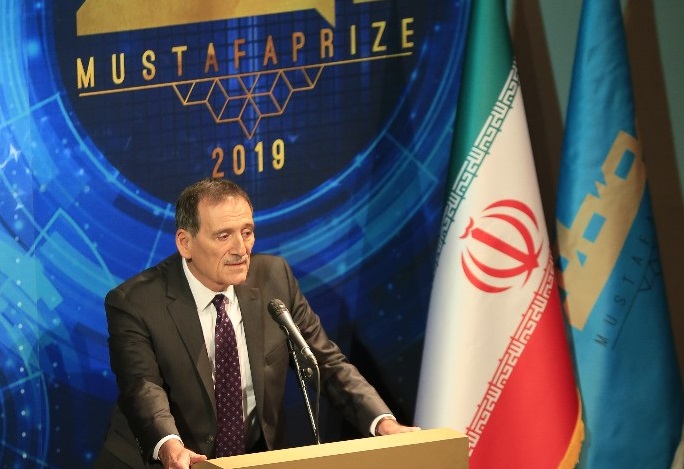
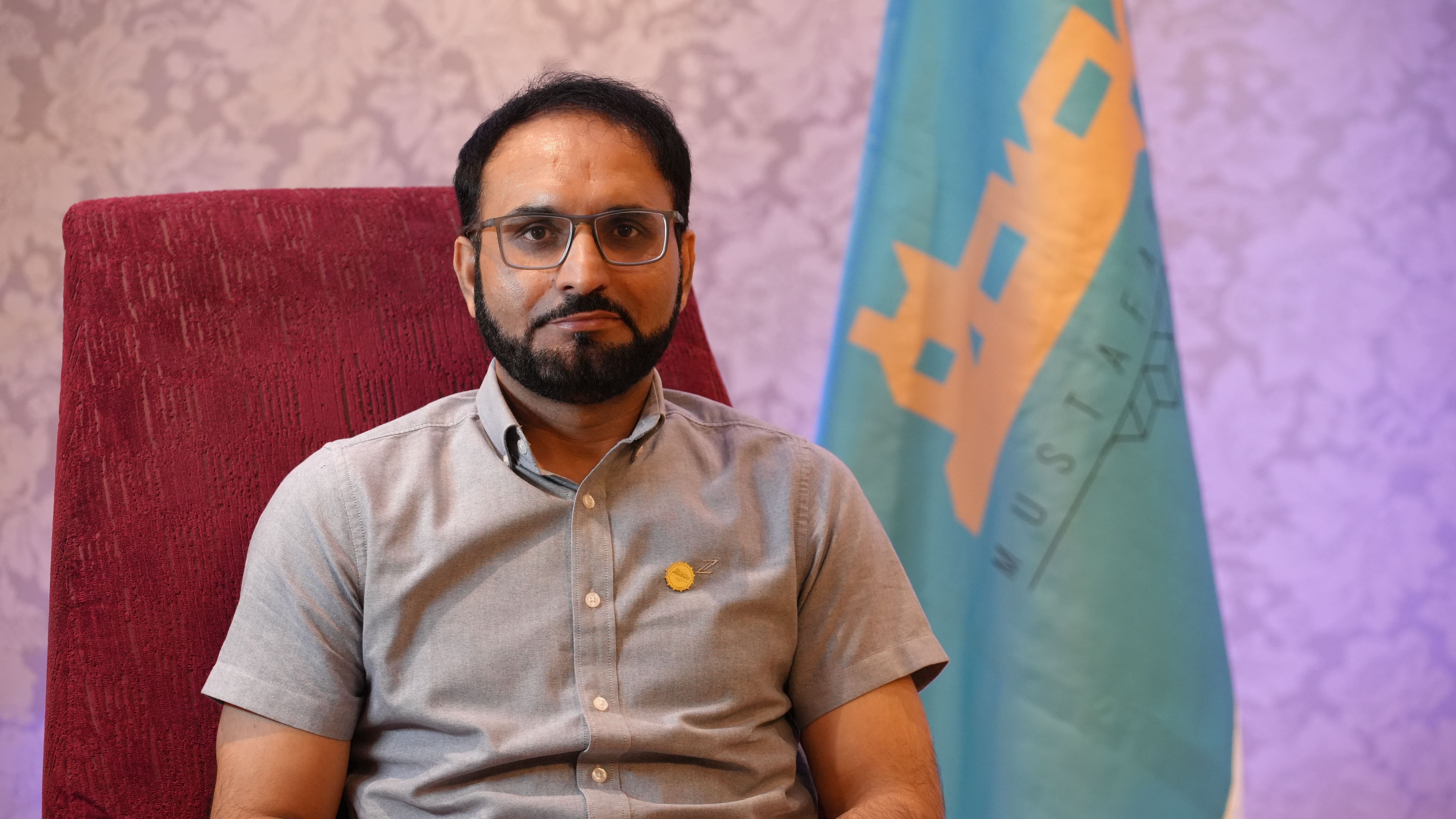
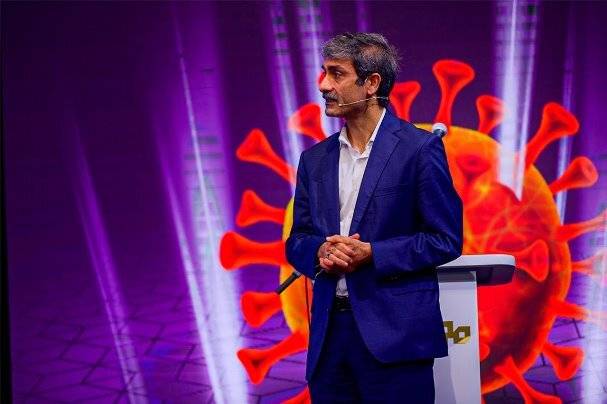
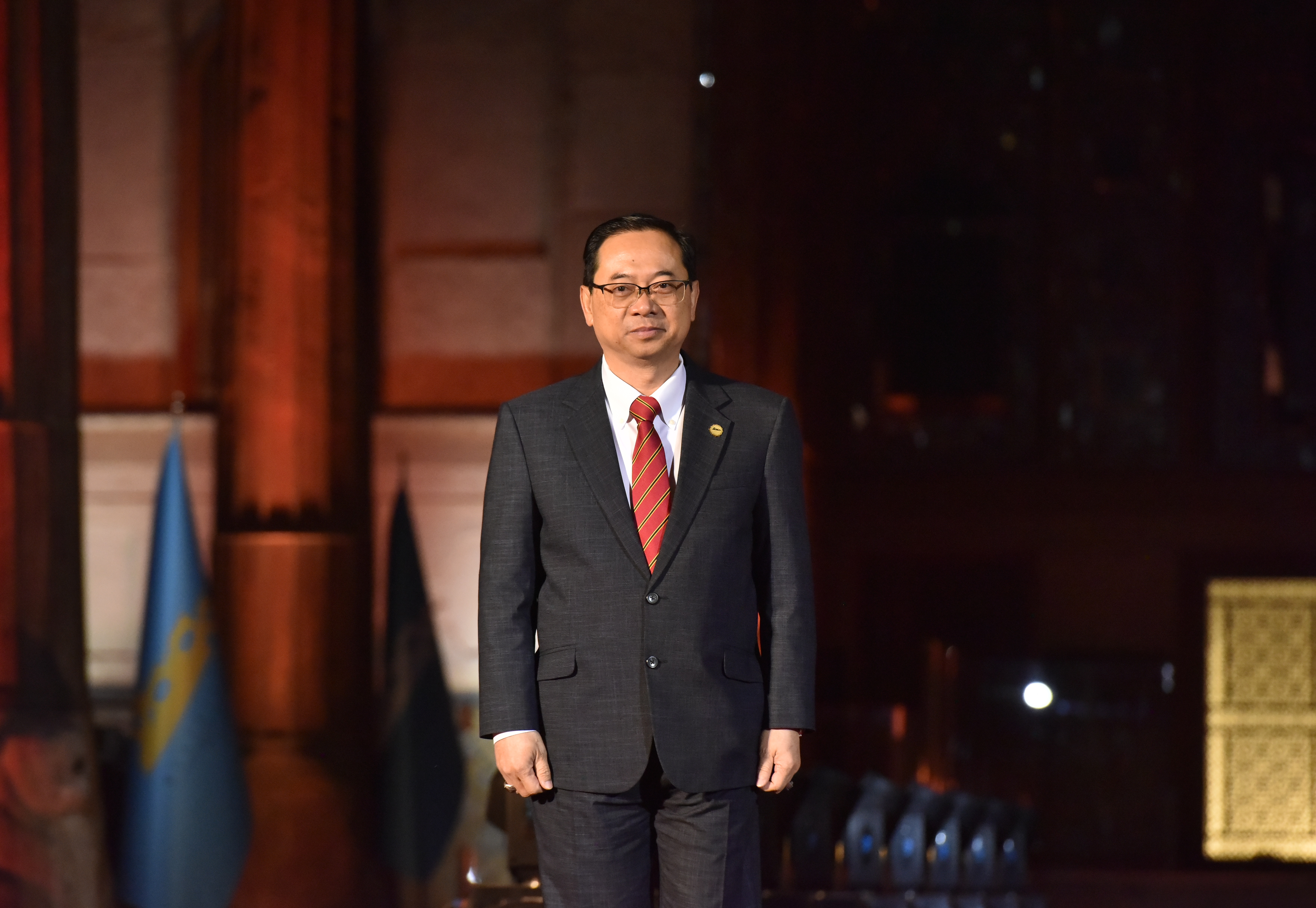
Al Mayadeen journalist, speaking at the Mustafa (pbuh) Prize Policy Council meeting, emphasized that the use of social networks and storytelling of success stories can increase participation in science and technology in Islamic countries.
MSTF media reports:
Zeinab Al Saffar, a journalist from Lebanon’s Al Mayadeen TV, spoke this morning at the Policy Council meeting of the Mustafa (pbuh) Prize held at Negarestan Garden in Tehran, highlighting the importance of using media—particularly social networks—in promoting science and technology in Islamic countries.
She began her remarks by paying tribute to the victims of Israeli actions and said :“I would like us to take a moment of silence in honor of the scientists, women, children, men, and leaders of Islamic countries, especially Iran, who have fallen victim to Israel’s schemes and policies.”
Pointing to the challenges and goals facing scientists and scientific activists, Al Saffar raised a question :“How many of you, as scientists, lawyers, experts, or activists in this field, are active on social media today? Do you have a YouTube channel, an online presence? This is very important because, in facing challenges and trying to attract more people to the world of science and knowledge, we must pay special attention to how we connect with audiences through media, especially online platforms.”
Emphasizing that millions of people in the Islamic world now rely more on social networks than on television, she added: “We must engage expert professionals in science and technology and provide solutions to attract women to this field. Storytelling about success stories can encourage others to step into this domain.”
Al Saffar further proposed: “To confront challenges, we must highlight the importance of investment in Science, Technology, and Innovation (STI) through television, radio, and social networks. All institutions should establish dedicated expert sections, and we could even launch a joint online TV channel for one country or for all Islamic countries to broadcast short programs, reels, and engaging content showcasing our scientific and technological achievements.”
She continued: “Using storytelling to present local successes and introduce inspiring role models can attract more creative minds to this field. We must make the environment of science and technology appealing to people, in a way that scientific language is simple and understandable so that everyone can connect with it.”
Al Saffar also stressed the role of media in pressuring policymakers to prioritize international science and technology programs, adding: “Publishing investigative reports on the costs of neglecting science and research, holding media competitions, and organizing events such as hackathons can boost collective participation in programming and innovation.”
In conclusion, she emphasized that effective interaction with audiences, combined with the use of simple language and engaging storytelling, is the key to increasing public participation and attracting talents to the field of science and technology in the Islamic world.